ENG
 ARA



- General Health
- 12 Oct 2026

An epilepsy doctor in Dubai is a neurologist specialized in diagnosing and treating epilepsy. You can find specialized care in major Dubai hospitals and neurology clinics.
Overview
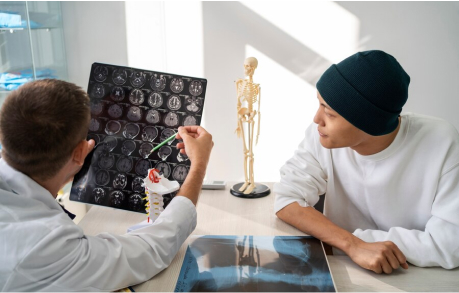
An epilepsy doctor is a neurologist specialized in diagnosing and treating epilepsy (recurrent seizures due to abnormal electrical activity in the brain). In Dubai, this doctor follows up with patients of all ages, and orders appropriate tests such as EEG (a device that records brain activity) and MRI.
Why is early diagnosis important?
Early diagnosis helps determine the seizure type and choose the most appropriate treatment plan, and may reduce seizure frequency and improve quality of life. Specialized care also monitors the impact on sleep, memory, and school or work.
The difference between a general neurologist and an epilepsy specialist
- General neurologist: Treats various neurological disorders such as headaches and dizziness.
- Epilepsy specialist: Has additional training in reading EEGs, adjusting medication dosages, and managing complex cases.
Availability of doctors in Dubai
In Dubai, there are specialized clinics and centers for neurosurgery and epilepsy, with neurologists experienced in pediatric and adult cases.
Steps to find a suitable doctor
- Ask your primary care physician for a referral to an epilepsy specialist.
- Check the doctor's experience with your seizure type.
- Ensure the clinic offers EEG.
- Choose a doctor who explains the plan clearly and follows up with you regularly.
Symptoms
The symptoms of epilepsy (an electrical disturbance in the brain) vary from person to person depending on the affected area of the brain.
Types of seizures
- Generalized tonic-clonic seizure: The patient loses consciousness and falls, the body stiffens then shakes violently.
- Simple partial seizure: The patient remains conscious but experiences unusual movements or sensations.
- Complex partial seizure: The patient appears dazed or confused and does not remember what happened.
- Absence seizure: A brief cessation of movement and speech for seconds, common in children.
Other signs
Sudden involuntary movements in the arms or legs, or tingling (pins and needles) in part of the body may occur. Some patients smell strange odors that are not present, or see flashing lights.
Aura (pre-seizure signs)
Many patients experience warning signs minutes before a seizure, called an 'aura'. These include: dizziness, mild headache, sudden anxiety, or an unusual feeling in the stomach. Recognizing these signs helps the patient sit or lie down in a safe place before losing consciousness.
If you notice these symptoms in yourself or someone close to you, consulting an epilepsy specialist in Dubai helps in accurate diagnosis and developing an appropriate treatment plan.
Need to see a Pediatrics specialist? See available doctors in Dubai.
Causes and Risk Factors
Epilepsy (a disturbance in the brain's electrical activity causing recurrent seizures) has multiple causes. Some cases are hereditary or genetic, i.e., changes in genes that run in families and affect brain cell activity.
Acquired causes
- Head injuries: Especially severe injuries or those causing loss of consciousness.
- Strokes: Interruption of blood flow to part of the brain can leave a scar that causes seizures.
- Brain infections: Such as meningitis (inflammation of the membranes surrounding the brain) or encephalitis.
Risk factors
- Age: Epilepsy is more common in childhood or after age 60.
- Family history: Having a close relative with epilepsy slightly increases the risk.
- Medical conditions: Such as brain tumors, dementia, or congenital brain malformations.
In Dubai, some environmental factors and lifestyle may increase the risk of brain injuries, such as road accidents and extreme heat exhaustion. Also, lack of sleep or constant fatigue may lower the seizure threshold in those predisposed. Therefore, it is important to consult an epilepsy doctor in Dubai to accurately assess the causes and develop an appropriate plan.
When to Visit the Doctor
If you experience recurrent seizures, or a single seizure lasts more than 5 minutes, this is a warning sign that requires immediate medical intervention. A prolonged seizure may turn into a dangerous condition called 'status epilepticus' (continuous seizures without regaining consciousness).
Seek help immediately if you have difficulty breathing after a seizure, do not regain consciousness within minutes, or feel unusually severe fatigue. These symptoms may indicate complications that need medical evaluation.
Pregnant women with epilepsy, or those with chronic diseases such as diabetes or heart disease, need careful monitoring with a neurologist. Hormonal changes during pregnancy may affect seizure frequency.
Even if seizures are mild, their impact on studying, work, driving, or swimming warrants a doctor's review. Recurrent absences or convulsions may disrupt your daily life.
When in doubt about having epilepsy, do not wait. Early diagnosis helps control seizures and improve quality of life. Consult a neurologist in Dubai to evaluate your condition and develop an appropriate plan.
Diagnosis
The diagnosis of epilepsy by a neurologist begins with systematic steps, not just a single test. First, the doctor takes a detailed medical history: when seizures started, their form, duration, what happens before and after, and whether consciousness was lost. Describing the seizure accurately helps the doctor determine its type.
Then, a comprehensive neurological examination is performed to test strength, sensation, balance, memory, and reflexes. This shows if there is an impact on brain functions.
Supporting tests
- Electroencephalogram (EEG): Small electrodes on the scalp record the brain's electrical activity (the electrical signals that activate nerve cells). A long recording or sleep recording may be requested.
- Magnetic resonance imaging (MRI): A detailed image of the brain reveals abnormalities or structural changes that may cause seizures.
- Blood tests: Rule out other causes such as low blood sugar or calcium, or kidney and liver dysfunction, or infection.
The doctor may request additional tests depending on the case. Accurate diagnosis determines the type of epilepsy and helps in choosing the appropriate treatment plan.
Treatment Options
Treatment of epilepsy (abnormal electrical activity in the brain causing seizures) aims to reduce the number of seizures and improve quality of life. The first option is usually antiepileptic drugs, which help most patients control seizures. The epilepsy doctor chooses the appropriate medication based on seizure type, patient age, and health condition.
Other options when medications are not enough
- Brain surgery: Offered for refractory cases, i.e., those that do not respond to several appropriate medications. The goal is to remove the area responsible for starting seizures after careful evaluation.
- Vagus nerve stimulation (VNS): A small device implanted under the skin sends mild electrical pulses to the vagus nerve in the neck, which may reduce seizure frequency.
- Ketogenic diet: A high-fat, low-carbohydrate diet used as an adjunct option especially in children, and implemented under medical and nutritional supervision.
Regular follow-up with an epilepsy doctor is necessary to adjust treatment according to response and side effects, so do not stop or change the dose yourself.
Prevention and Lifestyle
If you are following up with an epilepsy doctor in Dubai, your daily lifestyle plays a major role in reducing seizure frequency (abnormal electrical activity in the brain). Here are the most important steps:
- Adherence to medication: Take the medication at the same time daily. Do not stop or change the dose yourself, even if you feel better. Medication gaps are one of the most common causes of seizure recurrence.
- Adequate sleep: Sleep deprivation is one of the strongest triggers. Keep your sleep schedule consistent, and avoid screens before bed.
- Avoid triggers: Some people have more seizures with flashing lights (such as club lights or fast video games) or extreme stress. Notice what triggers your seizures and avoid it.
- Moderate exercise: Walking and swimming with a safe companion are beneficial. Avoid high-risk activities such as climbing, diving, or driving without your doctor's permission.
- Caffeine and alcohol: Reduce coffee and soft drinks, and avoid alcohol completely as it interacts with medications and increases seizure risk.
These habits do not replace visiting the doctor, but they support treatment and protect you.
Daily Life with the Condition
Dealing with seizures in public places requires a simple plan. Sit or lie down in a safe place away from stairs or sharp objects. Do not try to stop the seizure or put anything in the mouth. Ask someone nearby to time the seizure and protect you from injury until it ends.
Informing family and friends
Tell those around you how to help: stay calm, follow others, and do not restrain movement. After the seizure, give yourself time to rest and explain what happened gently.
Work and study
Inform your workplace or university if you need simple accommodations, such as rest breaks or avoiding tasks that require prolonged concentration without interruption. Lifting heavy objects may increase fatigue, so distribute effort and get enough rest.
Driving in Dubai
According to local regulations in Dubai, you may need a medical report stating that seizures are under control before obtaining or renewing a driver's license. Check with the Roads and Transport Authority (RTA) for exact requirements.
Psychological support
Joining patient support groups reduces feelings of isolation. Talk to your doctor about any anxiety or depression, as this is an important part of care.
Frequently Asked Questions
How do I find the best epilepsy doctor in Dubai?
Look for a neurologist specialized in epilepsy (epileptologist) or an advanced epilepsy center in Dubai. You can check the doctor's experience in dealing with complex epilepsy cases and their knowledge of the latest treatments.
What is the cost of an epilepsy doctor visit in Dubai?
The cost varies by clinic, doctor, and health insurance. Consultation fees typically range between 300 and 800 AED, and insurance may cover part of it. It is preferable to contact the clinic directly for the exact price.
Are there Arabic-speaking epilepsy doctors in Dubai?
Yes, many neurologists in Dubai speak Arabic and English. You can look for Egyptian, Syrian, or Emirati doctors specialized in epilepsy. Be sure to mention your preferred language when booking the appointment.
What are the latest epilepsy treatments in Dubai?
Modern options include antiepileptic drugs, vagus nerve stimulation, and surgery when needed. Some centers in Dubai also offer ketogenic diet or deep brain stimulation. The doctor determines the appropriate plan based on the type and cause of epilepsy.
Can I get a quick appointment with an epilepsy doctor in Dubai?
Yes, some clinics and medical centers in Dubai offer urgent appointments within a few days. You can call directly or book online. In emergencies, go to the hospital emergency department.
What is the best hospital for epilepsy treatment in Dubai?
Reputable hospitals include: Rashid Hospital, King's College Hospital, and Dubai Neurology Center. These centers offer advanced diagnosis and comprehensive epilepsy treatment. It is advisable to check patient reviews and the reputation of the neurology department.
The information in this article is for educational purposes only and does not substitute for consulting a specialist doctor.
Looking for a Neurology doctor in Dubai?
We list verified, DHA-licensed Neurology specialists. See who's available and book in a minute.
See Neurology doctors and available times